Arizona’s desert landscape offers a breathtaking and unique backdrop for an unforgettable party. With its…
World of Color Desert Party Cultural References Decoded
Disney’s World of Color Desert Party offers guests a premium viewing experience of one of Disneyland’s most spectacular nighttime shows. However, the show itself contains layers of cultural references that many viewers miss during their first watch. Understanding these hidden meanings enhances the entire experience and reveals the depth of storytelling Disney employs.
What Makes World of Color Unique
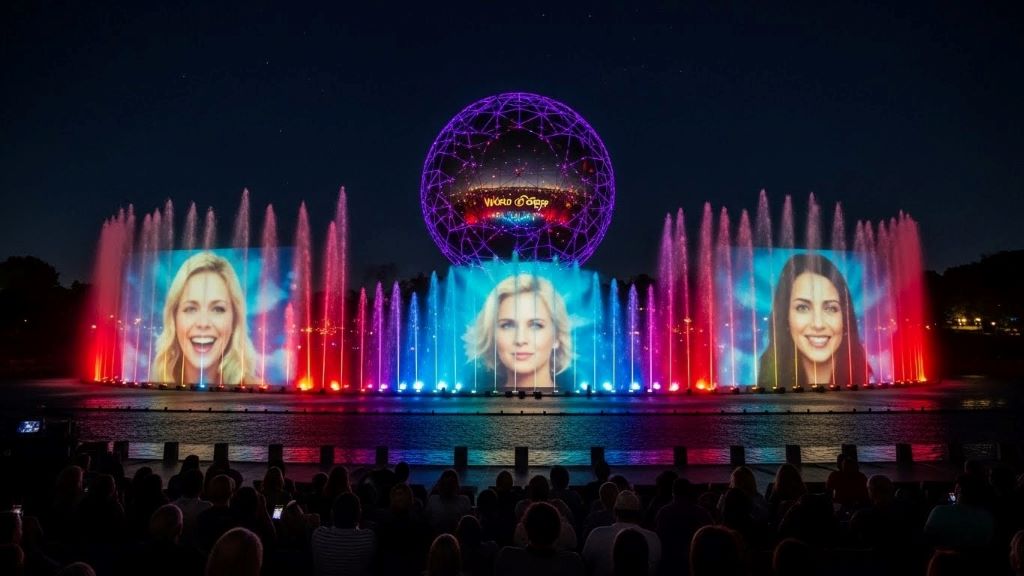
World of Color transforms Paradise Bay at Disney California Adventure into a canvas of light, water, and music. The show uses massive fountains that shoot water hundreds of feet into the air. These water screens become projection surfaces for beloved Disney films and characters.
The Desert Party package elevates this experience by providing reserved seating in a premium viewing area. Guests enjoy specialty desserts and beverages while watching the show. This exclusive experience has become increasingly popular among Disney enthusiasts who want to catch every detail of the production.
Understanding the Cultural Layer
Disney Imagineers carefully select every film clip and musical sequence in World of Color. Each segment connects to broader themes of dreams, adventure, and transformation. However, many references draw from specific cultural traditions and storytelling conventions that span centuries.
The show’s narrative structure follows the hero’s journey, a concept identified by scholar Joseph Campbell. This universal storytelling pattern appears in myths and legends across virtually every culture. By understanding this framework, viewers can better appreciate how Disney weaves together seemingly unconnected film segments.
Opening Sequences and Their Meanings
The show typically begins with underwater imagery and oceanic themes. This opening draws from ancient creation myths where life emerges from primordial waters. Many cultures, from Mesopotamian to Polynesian traditions, feature water as the source of existence.
Additionally, the use of blue and green lighting in these early moments evokes feelings of mystery and possibility. Color psychology plays a significant role throughout the entire production. The Imagineers understand that certain hues trigger specific emotional responses in audiences.
The Lion King Segment Decoded
When The Lion King appears in World of Color, viewers witness more than just a popular Disney film. The story itself draws heavily from Shakespeare’s Hamlet, transplanting royal intrigue into the African savanna. However, the deeper cultural significance lies in the film’s incorporation of African musical traditions and Swahili language.
The phrase “Hakuna Matata” has become globally recognized, yet it represents a genuine Swahili expression meaning “no worries.” The film’s consultation with African cultural advisors ensured authenticity in its representation. Therefore, when this segment appears in World of Color, it carries layers of cross-cultural exchange and respect.
Moreover, the Circle of Life concept presented in The Lion King connects to various indigenous worldviews about interconnectedness and ecological balance. These themes resonate with audiences regardless of their cultural background.
Pixar References and Modern Mythology
The inclusion of Pixar films like Finding Nemo and Coco introduces contemporary storytelling into the show’s tapestry. Finding Nemo explores themes of overcoming fear and protecting family, universal concerns that transcend cultural boundaries.
Coco, however, specifically celebrates Mexican Day of the Dead traditions. The film educated millions about Día de los Muertos customs, including ofrendas (altars) and the belief that deceased loved ones visit during this holiday. When Coco’s vibrant imagery fills the water screens, the show honors these authentic cultural practices.
The movie consulted extensively with Mexican cultural experts during its production. This attention to detail appears in every frame shown during World of Color. Consequently, audiences receive an introduction to Mexican heritage through spectacular visual presentation.
Princess Films and Feminist Evolution
The progression of Disney princess stories reflected in World of Color reveals changing cultural attitudes toward gender roles. Early princesses like Snow White and Cinderella embodied passive heroines awaiting rescue. Their segments in the show represent a specific historical moment in storytelling.
However, more recent additions feature princesses like Moana and Merida who actively shape their own destinies. Moana draws from Polynesian navigation traditions and oral histories. The film’s creators traveled throughout the Pacific Islands researching cultural practices and mythology.
This evolution in representation matters beyond entertainment. According to research from organizations studying media influence, the stories children encounter shape their understanding of possibility and identity. World of Color inadvertently chronicles this important cultural shift through its selection of film segments.

Musical Choices and Emotional Impact
The soundtrack accompanying World of Color features carefully orchestrated versions of Disney classics. Music serves as a universal language that communicates emotion without words. The show’s composers understand how specific musical progressions trigger nostalgia, excitement, or wonder.
Furthermore, the integration of songs from different cultural traditions creates a tapestry of global musical heritage. When “How Far I’ll Go” from Moana plays, audiences hear Polynesian musical influences. The incorporation of “Remember Me” from Coco brings Mexican musical traditions to the forefront.
These musical choices celebrate cultural diversity while finding common emotional ground. The show demonstrates that different traditions can coexist harmoniously when presented with respect and understanding.
Technology Meets Tradition
World of Color represents a marriage between cutting-edge technology and timeless storytelling traditions. The fountain systems, projection mapping, and synchronized lighting required years of engineering innovation. Yet the stories displayed through this technology draw from narratives humans have shared for millennia.
This juxtaposition highlights how new tools can preserve and celebrate cultural heritage. Ancient stories find new life through modern presentation methods. The Desert Party viewing experience allows guests to appreciate both the technical achievement and the narrative depth simultaneously.
Hidden Details Only Repeat Viewers Notice
Frequent World of Color attendees discover new details during each viewing. The show contains subtle visual callbacks and thematic connections between segments. For example, water motifs recur throughout, connecting oceanic adventures from different films into a cohesive statement about exploration and discovery.
Additionally, the color palette shifts correspond to emotional arcs within the overall narrative. Warmer tones appear during triumphant moments, while cooler blues dominate reflective sequences. These artistic choices draw from established color theory used across various cultural art forms.
The Desert Party Advantage for Cultural Analysis
The premium seating and enhanced viewing area provided by the Desert Party package enables deeper engagement with the show’s cultural elements. Without crowds pressing forward, guests can focus on the intricate details Imagineers embedded throughout the production.
Moreover, the ability to enjoy the show multiple times without competing for viewing spots allows for more thorough analysis. First-time viewers naturally focus on the spectacle itself. However, subsequent viewings reveal the thoughtful cultural curation behind every element.
According to Disney Parks Blog, the Desert Party experience continues to evolve with seasonal variations that introduce new cultural references. These updates ensure returning guests discover fresh perspectives on familiar stories.
Why These References Matter
Understanding the cultural depth of World of Color transforms it from simple entertainment into an educational experience. Disney serves as a cultural ambassador for millions of people worldwide. The stories selected for this show introduce audiences to traditions, values, and artistic expressions from diverse communities.
Therefore, decoding these references becomes more than academic exercise. It represents an opportunity to appreciate the rich tapestry of human creativity and storytelling. Each film segment carries the heritage of the artists, consultants, and cultural practitioners who contributed to its creation.
Furthermore, recognizing these influences encourages viewers to explore the source traditions more deeply. A child mesmerized by Coco’s visuals might subsequently learn about Mexican heritage. A family enjoying Moana’s segment could discover the incredible history of Polynesian navigation.
Conclusion
World of Color Desert Party offers far more than spectacular visual entertainment. The show weaves together cultural references from around the globe, creating a narrative tapestry that celebrates human creativity and diversity. From ancient mythological structures to contemporary cultural celebrations, each segment carries intentional meaning and respectful representation.
The Desert Party viewing experience provides the ideal setting to appreciate these layered references. With premium positioning and reduced crowd pressure, guests can focus on the intricate cultural details embedded throughout the production. Understanding these references transforms a beautiful show into a meaningful exploration of global storytelling traditions.
Whether experiencing World of Color for the first time or the fiftieth, recognizing the cultural depth behind each segment enriches the entire experience. Disney’s commitment to authentic representation and consultation with cultural experts ensures these references honor their source traditions. The result is a nighttime spectacular that educates while it entertains, making every viewing an opportunity for cultural discovery.
Frequently Asked Questions
How long does the World of Color Desert Party experience last?
The Desert Party typically begins about one hour before the show starts, allowing guests to enjoy desserts and beverages in the reserved viewing area. The World of Color show itself runs approximately 25 minutes. Overall, guests should expect to spend roughly 90 minutes from check-in through the conclusion of the show.
Can I see all the cultural references in one viewing?
Most guests cannot catch every cultural reference during a single viewing of World of Color. The show moves quickly between segments, and the spectacular visual effects naturally draw attention away from subtle details. Multiple viewings allow audiences to discover new layers of meaning and appreciate the depth of cultural consultation behind each element.
Does Disney change the cultural content in World of Color?
Disney periodically updates World of Color to include new film releases and refresh the viewing experience for returning guests. These updates introduce new cultural references while maintaining the show’s overall narrative structure. Seasonal variations sometimes incorporate specific cultural celebrations or holidays, expanding the range of traditions represented.
Are the cultural representations in World of Color accurate?
Disney consults with cultural experts, historians, and community members during the creation of films featured in World of Color. While no representation can capture every nuance of a living culture, the company invests significant resources in ensuring respectful and accurate portrayals. The resulting segments reflect genuine cultural traditions rather than stereotypes or misconceptions.
Is the Desert Party worth the additional cost for cultural appreciation?
The Desert Party provides significant advantages for guests interested in analyzing World of Color’s cultural depth. The reserved viewing area eliminates the need to arrive hours early for good positioning. The reduced crowd pressure and optimal viewing angle help guests focus on the show’s intricate details rather than managing discomfort or obstructed views.
Related Topics:
Arabian Nights: Tips for an Enchanting Desert Party

Related Posts