Building a better life starts with small daily actions that create lasting results over time.…
Why Boutique Finds Fit Poorly in Austin, TX
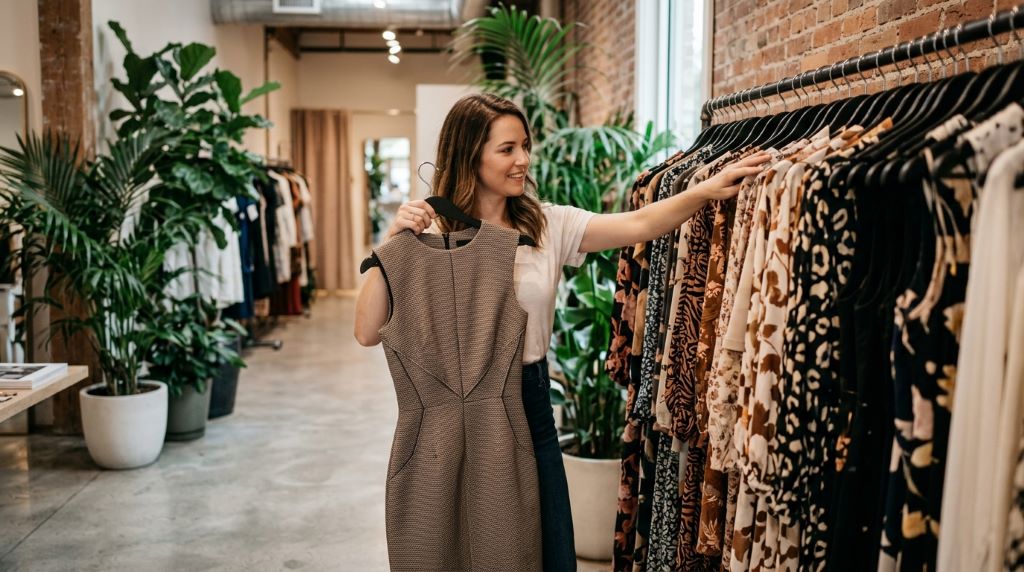
Shopping at local boutiques feels exciting because every rack offers fresh styles and limited collections. However, many shoppers still leave without finding comfortable pieces that truly flatter their bodies. Around 68% of consumers say proper clothing fit influences purchasing decisions, while nearly 60% return fashion items because of sizing issues. If you enjoy styling a pear shape, understanding boutique sizing helps you make smarter choices and avoid frustrating purchases.
Why Boutique Clothing Often Fits Differently
Boutiques usually source products from smaller manufacturers instead of major fashion brands. Therefore, sizing standards vary widely between collections and suppliers. Many shoppers notice inconsistent measurements during the same shopping trip.
Unlike large retailers, boutiques rarely follow one universal sizing chart. Consequently, a medium from one label may resemble another brand’s small. Learning these differences reduces fitting room disappointment significantly.
Many shoppers improve fashion confidence by following seasonal inspiration alongside trending party themes. Seeing complete outfit combinations often reveals why certain silhouettes balance different body proportions better.

Limited Production Changes Measurements
Small production runs allow boutiques to introduce fresh collections quickly. However, manufacturers sometimes adjust patterns between production batches without noticeable announcements. Even loyal customers may experience unexpected sizing changes.
Fabric availability also influences garment construction throughout different seasons. As a result, identical designs may stretch differently despite carrying the same size label.
How Austin’s Fashion Scene Influences Fit
Austin embraces individuality, creative expression, and relaxed fashion choices every season. Consequently, many boutiques prioritize distinctive designs instead of standardized sizing consistency. Style often receives greater attention than measurement precision.
Local stores frequently stock independent designer collections with unique pattern blocks. Those patterns may reflect the designer’s preferred customer instead of serving broader body proportions. Therefore, shoppers benefit from trying multiple sizes before purchasing.
Many residents also combine wardrobe planning with healthy lifestyle improvements through personal growth routine habits. Better posture and confidence often improve how clothing naturally fits and feels.
Climate Affects Fabric Selection
Warm temperatures encourage lightweight cotton, linen, and rayon garments across many boutiques. Although these fabrics feel breathable, they often drape differently than structured materials. Fabric movement directly affects perceived garment fit.
Additionally, softer materials may stretch after several hours of wear. Therefore, shoppers should evaluate both immediate comfort and long term shape retention before buying.
Common Reasons Boutique Clothes Feel Uncomfortable
Several hidden factors create disappointing fitting experiences despite attractive clothing displays. Understanding these issues helps shoppers make better purchasing decisions every visit.
- Inconsistent sizing across suppliers.
- Limited quality control during production.
- Fashion focused cuts instead of comfort.
- Different fabric stretch characteristics.
- Shorter garment grading between sizes.
Many shoppers also explore styling inspiration through style cowgirl outfits ideas before visiting boutiques. Outfit planning helps identify cuts that consistently complement personal proportions.
Body Shape Matters More Than Label Size
Many shoppers focus heavily on printed size labels during shopping trips. However, garment proportions usually matter more than the number inside the tag. Shoulder width, waist placement, and hip measurements all influence comfort.
Every designer builds clothing using specific fit models during product development. Consequently, identical sizes can produce dramatically different wearing experiences across different brands.
How to Find Better Fitting Boutique Clothing
Preparation makes boutique shopping much more enjoyable and productive every season. Instead of relying on labels, compare actual garment measurements whenever possible. Accurate measurements provide greater confidence before purchasing.
Bring a flexible measuring tape while shopping for new outfits. Comparing waist, chest, and hip dimensions reduces costly fitting mistakes significantly. This simple habit saves both time and money.
Try Different Sizes Without Hesitation
Do not become attached to one familiar clothing size during boutique visits. Every brand creates garments using slightly different grading systems. Trying multiple sizes often produces surprising results.
Moreover, remember that clothing should fit your body instead of forcing your body into clothing. Comfort always supports confidence better than restrictive fashion trends.
Questions to Ask Boutique Staff
Experienced boutique employees often understand each brand’s sizing characteristics very well. Therefore, asking thoughtful questions improves your shopping experience considerably. Their advice frequently prevents unnecessary returns.
- Does this brand run small or large?
- Will the fabric stretch after wearing?
- Has this item been pre washed?
- What body shape suits this design best?
- How should this garment be cared for?
Staff recommendations become especially valuable when shopping unfamiliar designers. Their practical experience often reveals details unavailable on clothing labels.
Simple Ways to Improve Overall Fit
Minor alterations transform average garments into wardrobe favourites surprisingly often. Tailoring costs usually remain lower than replacing poorly fitting clothing repeatedly. Small adjustments deliver lasting improvements.
Likewise, selecting versatile basics creates more outfit combinations throughout the year. Better wardrobe planning reduces impulse purchases and encourages thoughtful fashion decisions.
Focus on Quality Instead of Quantity
Purchasing fewer, better fitting garments supports long term satisfaction and comfort. Quality construction also improves durability through repeated washing and regular wear. Every well fitting piece becomes a dependable wardrobe staple.
Furthermore, timeless designs remain useful longer than short lived fashion trends. Building a balanced wardrobe becomes easier with intentional purchasing habits.
Conclusion
Boutique shopping offers exciting discoveries, unique styles, and memorable fashion experiences for every wardrobe. Nevertheless, inconsistent sizing explains why many shoppers struggle with comfortable fits despite beautiful designs. Understanding fabrics, measurements, and designer sizing improves every shopping trip while reducing costly returns.
Next time you visit a boutique, measure carefully, ask questions, and try multiple sizes confidently. Those simple habits help you build a wardrobe that feels comfortable, looks polished, and reflects your personal style.
Frequently Asked Questions
Why do boutique sizes vary so much?
Different manufacturers use unique sizing standards instead of one universal measurement system.
Should I always size up in boutiques?
No, you should compare measurements because every brand fits differently.
Can tailoring improve boutique clothing?
Yes, simple alterations often create a significantly better and more comfortable fit.
Which fabrics usually offer better flexibility?
Cotton blends with a small amount of stretch generally provide greater comfort.
How can I reduce clothing returns?
Measure yourself regularly and compare garment dimensions before making each purchase.

Related Posts