
Ever wondered why investing in antique jewellery is gaining so much attention among collectors and…
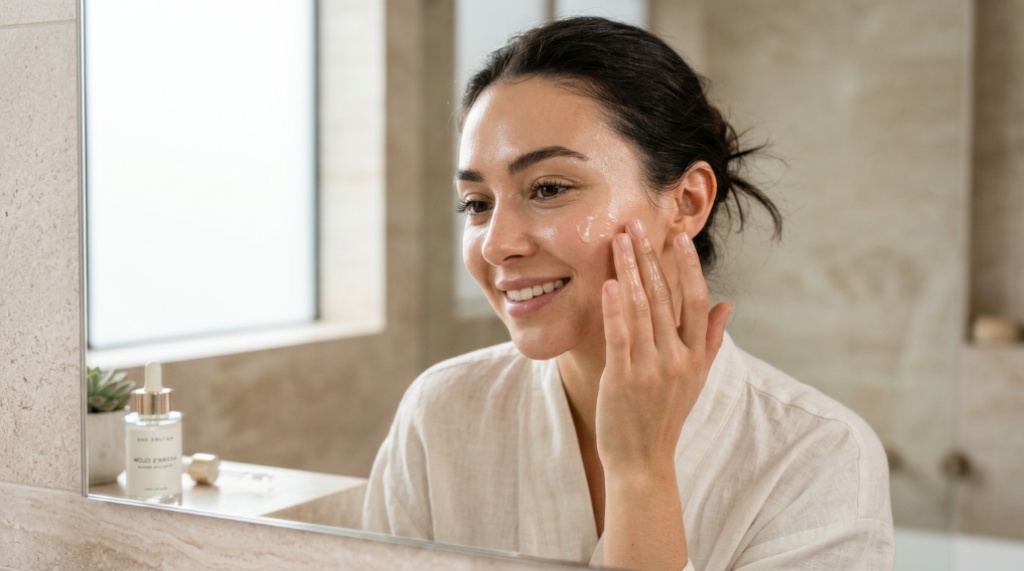
The New York Approach to Modern Skincare and Beauty
Walk into any Manhattan pharmacy or downtown beauty counter and you will notice something: shelves stocked with acid toners, barrier creams, and SPF fluids that promise results without a ten-step ritual. New York skincare has quietly shifted away from maximalism. The city’s pace — long commutes, dry office air, subway grime, and late nights — rewards formulas that work quickly and tolerate real life. That shift is exactly what resources like TheBoldCollection explore when they break down how exfoliating toners fit into a modern routine. Below is a practical look at what defines this approach, who it suits, and where it can go wrong.
Quick Answer
The New York approach to skincare is a streamlined, results-first routine built around a few high-impact steps: a gentle cleanser, one targeted active such as a glycolic acid toner, a barrier-supporting moisturizer, and daily sunscreen. It prioritizes consistency and ingredient tolerance over product count. It works best for people with limited time who want visible improvement in texture and tone — but it requires restraint, because overusing acids is the most common way this approach backfires.
Key Takeaways
- The defining feature is fewer products used consistently, not a longer routine.
- Glycolic acid toners are the most common exfoliating step, but they suit oily and combination skin better than sensitive or dry skin.
- Frequency matters more than concentration — starting at two or three nights per week reduces irritation risk significantly.
- Sunscreen is non-negotiable when using exfoliating acids, because they increase photosensitivity.
- Barrier repair is the counterweight: if skin stings, flakes, or looks shiny-tight, the routine needs less, not more.
What Actually Defines the New York Approach
It is a routine shaped by environment and schedule rather than by trends. New York skin faces a specific set of stressors: harsh winter wind, dry radiator heat, heavy summer humidity, pollution, and constant temperature swings between outdoors and air-conditioned interiors. A twelve-step routine built for a mild climate often becomes impractical here.
The result is a shorter routine with sharper intent. Instead of layering five serums, the approach concentrates on a small number of ingredients with strong evidence behind them — exfoliating acids, retinoids, niacinamide, vitamin C, and sunscreen — and applies them in a sequence the skin can actually tolerate.
Fewer steps, clearer purpose
A typical version looks like this: cleanse, apply one active, moisturize, protect. That is four steps in the morning and three or four at night. Everything else is optional and added only if it solves a specific problem the reader can name.
Built for real schedules
The routine has to survive a 7 a.m. subway ride and a 10 p.m. dinner. Products that pill under makeup, take ten minutes to absorb, or require a thirty-minute wait get abandoned. Formulas that layer quickly and sit well under sunscreen tend to stay in rotation.
Where Glycolic Acid Toners Fit In
Glycolic acid is an alpha-hydroxy acid (AHA) derived from sugarcane. It exfoliates by loosening the bonds between dead surface cells, which is why it is associated with smoother texture, brighter tone, and less visible flaking. In a streamlined routine, it usually replaces scrubs and mechanical exfoliants entirely.
It is not the right choice for everyone. Glycolic acid has the smallest molecular size among common AHAs, which means it penetrates relatively quickly — effective, but also more likely to sting on compromised skin. Lactic acid, mandelic acid, and polyhydroxy acids are gentler alternatives worth considering if glycolic feels aggressive.
How often to use it
Start with two nights per week for two to three weeks. If there is no stinging, redness, or unusual flaking, move to every other night. Daily use is possible for resilient, oily skin, but it is a destination, not a starting point. Many people get the results they want at three nights per week and never need to increase.
How to layer it correctly
- Cleanse and pat dry — applying acids to damp skin increases penetration and irritation.
- Apply the toner with a cotton pad or fingertips, avoiding the eye area and any broken skin.
- Wait roughly one to two minutes, or until the skin feels dry again.
- Follow with a moisturizer containing ceramides, glycerin, or squalane.
- Skip other exfoliants, retinoids, and vitamin C in the same session when starting out.
Glycolic Acid vs. Gentler Alternatives
The right acid depends on skin type and how much irritation the reader is willing to risk. The table below compares common options on the factors that actually influence the decision.
| Acid | Relative strength | Best suited to | Main trade-off |
|---|---|---|---|
| Glycolic acid | Strongest of the common AHAs | Oily, combination, thickened or congested skin | Higher irritation and photosensitivity risk |
| Lactic acid | Moderate | Dry or normal skin needing gentle resurfacing | Slower visible results |
| Mandelic acid | Gentle | Sensitive or acne-prone skin | Mild exfoliation only |
| Salicylic acid (BHA) | Moderate, oil-soluble | Blackheads and clogged pores | Can be drying with frequent use |
Note that “gentler” does not mean ineffective. For many people, a moderate acid used consistently for months outperforms a strong acid used sporadically and abandoned after irritation.
The Steps That Make or Break the Routine
Exfoliation gets the attention, but two unglamorous steps determine whether the whole approach works.
Barrier support
Exfoliating acids remove part of the skin’s outer layer. That is the point, but it also means the barrier needs help rebuilding. A moisturizer with ceramides, cholesterol, and fatty acids does more for long-term skin appearance than an extra serum. If skin feels tight after cleansing, stings when moisturizer is applied, or looks shiny rather than dewy, the barrier is struggling — reduce acid frequency before adding anything new.
Sunscreen
AHAs increase photosensitivity, meaning skin burns more easily and pigmentation is more likely to darken. Broad-spectrum SPF 30 or higher, reapplied during the day, is what protects the results being paid for. Without it, exfoliation can make uneven tone worse rather than better, For related health tips on nutrition, check out how the fats contained in butter affect your body.
Common Mistakes and How to Avoid Them
- Starting daily. Most irritation reports trace back to frequency, not to the product itself.
- Stacking actives. Using glycolic acid, retinol, and vitamin C on the same night multiplies irritation without multiplying results.
- Ignoring the neck and hands. These areas age visibly and tolerate acids well at lower frequency.
- Judging results too early. Texture and tone changes typically take several weeks of consistent use.
- Buying based on percentage alone. A well-formulated 5% product with soothing ingredients often beats a harsh 10% one.
- Skipping patch tests. Testing on the jawline for a few nights before full-face use catches problems early.
Who This Approach Suits — and Who Should Skip It
It fits people with normal, oily, or combination skin who want visible improvement in texture and dullness and can commit to a consistent four-step routine. It also suits anyone who has tried elaborate routines and found them unsustainable. During pregnancy, some actives — including high-dose salicylic acid and retinoids — require medical guidance. If skin is currently irritated, the correct first move is to stop exfoliating and rebuild the barrier for two to four weeks before restarting at a low frequency, For related health tips on nutrition, check out how the fats contained in butter affect your body.
Frequently Asked Questions
Can I use a glycolic acid toner every day?
Some people can, but it should be built up gradually over weeks rather than started immediately. Begin with two or three nights per week and increase only if skin shows no signs of irritation. Daily use is not inherently better than three times weekly.
Should glycolic acid be used in the morning or at night?
Night is generally preferable because it avoids stacking exfoliation with daytime sun exposure and simplifies layering under sunscreen. If used in the morning, sunscreen becomes even more important.
Can I combine glycolic acid with retinol?
Not on the same night when starting out. Alternate them on different evenings, or use the acid in the morning and retinol at night once skin is fully acclimated. Combining both in one session is a common cause of irritation.
How long until results are visible?
Mild smoothing and brightness often appear within two to four weeks of consistent use. Improvements in tone and fine lines typically take longer, and results fade if use stops.
Is a toner necessary if I already use a scrub?
No — using both is usually redundant and increases irritation risk. Chemical exfoliation is generally more even and less abrasive than mechanical scrubs, so most people choose one or the other.
What should I do if my skin starts stinging?
Stop the acid immediately, switch to a gentle cleanser and a barrier moisturizer, and wait until skin feels normal for at least a week before reintroducing it at a lower frequency. Persistent stinging warrants a dermatologist’s opinion.
Conclusion
The New York approach is less about a specific product list and more about discipline: a short routine, one active used at a tolerable frequency, real barrier support, and daily sun protection. Glycolic acid toners can be the most effective step in that routine — or the fastest way to derail it, depending on how they are introduced. Start low, go slow, and let consistency do the work. If irritation appears, reduce rather than add. That single habit separates a routine that lasts from one that ends up in a drawer.

Related Posts


