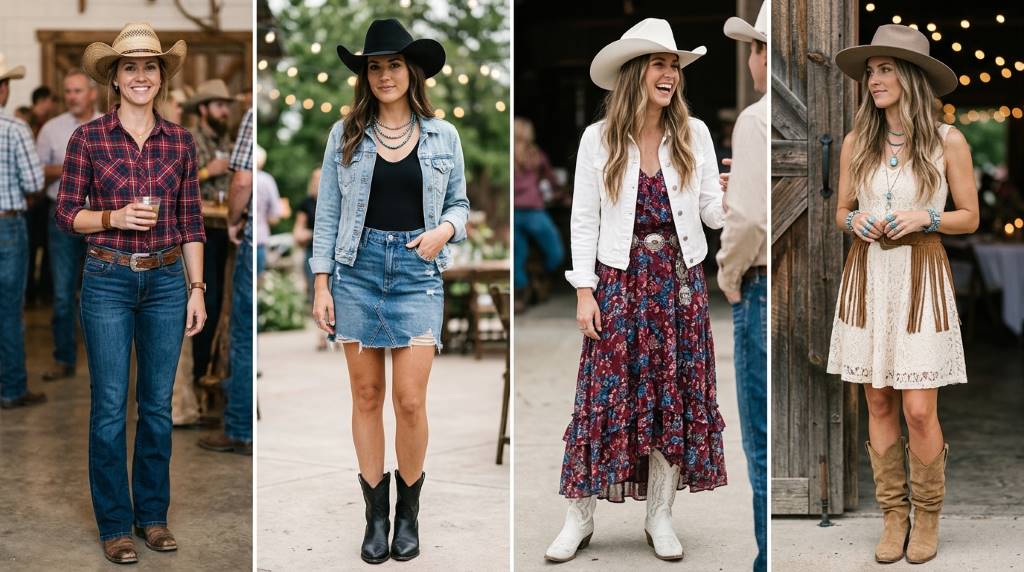
Cowgirl fashion is making a bold comeback in party scenes across the globe. Over 60…

Wine Themed Party Ideas To Delight Your Guests (2025)
There’s an undeniable magic to a gathering centered around wine. It evokes images of clinking glasses, warm conversations, sophisticated sips, and shared moments of discovery. Whether you’re a seasoned oenophile or simply appreciate a good glass of vino with friends, hosting a wine-themed party is a fantastic way to entertain. As we look towards 2025, these gatherings are evolving beyond simple tastings into fully immersive experiences. Forget stuffy, pretentious affairs; today’s wine parties are about connection, exploration, and, most importantly, fun!
Planning the perfect wine-centric event might seem daunting, but it’s surprisingly versatile. From casual backyard get-togethers to elegant celebratory dinners, wine provides a sophisticated yet adaptable foundation. This guide is packed with fresh ideas, practical tips, and trending concepts for 2025 to help you host a wine party that not only impresses your guests but leaves them talking about it long after the last drop is poured. We’ll explore unique themes, dive into decor that sets the mood, navigate wine selection and serving, suggest perfect food pairings, spark engagement with fun activities, and even offer ideas for memorable party favors. Get ready to uncork your creativity and host an unforgettable event!
Beyond the Bottle: Choosing a Captivating Wine Theme for 2025
While “wine party” is a theme in itself, adding a specific focus can elevate your event from pleasant to truly personalized and memorable. A theme guides your choices for wine, food, decor, and activities, creating a cohesive and engaging experience. For 2025, think beyond the generic and embrace concepts that spark curiosity and conversation.
-
Around the World Wine Tour:
Take your guests on a global journey without leaving your home. Select wines from distinct regions – perhaps Italy, France, Chile, and New Zealand. Decorate different areas to reflect each location, pair regional appetizers, and maybe even play music specific to each country. This theme is fantastic for discovery and comparison.
-
The Blind Tasting Challenge:
This classic remains a favorite for a reason – it’s interactive and often surprising! Conceal the bottle labels (using bags, foil, or decanters) and have guests guess the varietal, region, price point, or even just whether it’s red or white. Provide scorecards and reveal the wines at the end. It levels the playing field and encourages guests to rely solely on their senses.
-
Rosé Rendezvous (or Rosé All Day Soiree):
Especially popular for warmer months or daytime events, a rosé-themed party is chic and refreshing. Explore the diversity within rosé – from pale Provençal styles to bolder Tavel or sparkling versions. Decorate with pinks, whites, and golds. Pair with light bites like seafood, salads, and fruits. Perfect for garden parties or brunch gatherings.
-
Vintage Vineyard Escape:
Create the rustic charm of a winery tasting room. Think wooden accents, burlap textures, barrels (if you can find them!), string lights, and plenty of greenery. Focus on wines from a specific local winery or region known for its vineyards. This theme evokes a relaxed, earthy, and sophisticated atmosphere.
-
Sparkling Soiree:
Ideal for celebrations – birthdays, anniversaries, promotions, or just because! Feature a range of sparkling wines: Champagne, Prosecco, Cava, Crémant, even sparkling rosé or red. Elevate the decor with metallics, glitter, and elegant touches. Pair with salty snacks, oysters, or even fried chicken for a fun high-low mix.
-
Specific Varietal Spotlight:
Deep dive into a single grape. Are you passionate about Pinot Noir? Mad for Malbec? Celebrate its nuances by offering different expressions – varying regions, vintages, or winemaking styles. This is great for educating guests (and yourself!) about the versatility of a favorite grape.
-
Wine & Mystery Night:
Combine the intrigue of a “whodunit” with the pleasure of wine tasting. Purchase a murder mystery party kit or create your own storyline where wine clues play a part. Assign characters to your guests and let the drama unfold between sips. Red wine might even stand in for… well, you get the idea!
-
Seasonal Sensations:
Align your theme with the time of year. A “Harvest Hoedown” in autumn could feature robust reds, comfort food pairings, and rustic decor. A “Winter Warmer Wine Tasting” might focus on full-bodied reds, mulled wine options, cozy blankets, and fireplace ambiance.
Choosing a theme sets the tone and makes planning subsequent elements much easier and more inspired.
Crafting the Perfect Ambiance: Decor and Atmosphere
The right environment is crucial for setting the mood of your wine party. Your decor should complement your chosen theme and create a welcoming, comfortable space for sipping and socializing. Think about engaging multiple senses – sight, sound, and even touch.
-
Color Palettes:
Draw inspiration from wine itself. Deep burgundies, rich plums, and ruby reds create a sense of warmth and luxury. Creamy whites, soft golds, and sage greens offer elegance and freshness. Earthy tones like wood brown, terracotta, and olive green suit rustic or vineyard themes. Don’t be afraid to use pops of color, especially for themes like Rosé Rendezvous.
-
Lighting is Key:
Soft, ambient lighting is generally best for a wine party. Avoid harsh overhead lights. Opt for string lights (fairy lights or Edison bulbs), candles (real or LED for safety), lanterns, or dimmable lamps. The goal is warmth and intimacy.
-
Centerpieces & Table Decor:
Get creative! Use empty wine bottles as vases for simple florals or greenery. Fill large glass bowls with wine corks. Arrange clusters of grapes (real or high-quality artificial) with cheesecloth runners. For a tasting setup, consider labeled placemats for each wine glass. Use wine charms to help guests identify their glasses.
-
Textures & Materials:
Incorporate natural elements that evoke wine country. Wooden serving boards, slate cheese markers, burlap table runners, linen napkins, or even velvet cushions can add depth and tactile interest.
-
Soundtrack the Sip:
Music significantly impacts atmosphere. Create a playlist that matches your theme and desired energy level. Smooth jazz, classical guitar, acoustic folk, or French café music often pair well with wine parties. Keep the volume at a level that allows for easy conversation.
-
Venue Vibes:
Consider where you’ll host. Your living room or dining area can be transformed with the right decor. A backyard or patio offers a relaxed setting for warmer weather (think vineyard picnic or rosé party). Renting a unique space like a wine cellar or a room at a local vineyard can add an extra layer of authenticity, as suggested by Peerspace.
Remember, the goal is to create an inviting space where guests feel comfortable relaxing, exploring the wines, and connecting with each other.
The Heart of the Party: Selecting, Serving, and Sipping Wine
Naturally, the wine itself is the star. Thoughtful selection and proper serving techniques ensure your guests have the best possible tasting experience.
-
Choosing the Wines:
Base your selection on your theme, guest preferences (if known), and budget. Aim for variety unless your theme dictates otherwise (like a varietal spotlight). A good mix often includes at least one crisp white, one fuller white (like Chardonnay), a rosé (especially in summer), a lighter red (like Pinot Noir), and a bolder red (like Cabernet Sauvignon or Syrah). Don’t forget sparkling options for celebratory moments or as an aperitif. Consider including a dessert wine if appropriate. Aim for 4-6 different wines for a focused tasting to avoid palate fatigue, as suggested by WineDeals.com.
-
How Much to Buy?
This is a common question! A standard 750ml bottle yields about five tasting pours (or slightly fewer standard servings). A general rule of thumb is to estimate 1-2 drinks per person per hour for the duration of the event. Raeburn Winery suggests a simple formula: (Guests x Hours x 1.5 glasses per hour) / 5 glasses per bottle = Total Bottles Needed. Alternatively, plan for about half a bottle per guest for a shorter party, adjusting upwards if your crowd loves wine or the event is longer. Kiepersol recommends considering the drink preference split (e.g., 50% wine, 35% beer, 15% spirits) and adjusting red/white ratios based on season (more white/rosé in summer, more red in winter). It’s always better to overestimate slightly than run out.
-
Serving Essentials:
Proper serving enhances the wine.
- Glassware: Ideally, provide a separate glass for each wine, or at least one for whites and one for reds. Universal tasting glasses are a good compromise. Ensure glasses are clean and free of detergent residue.
- Temperature: Serve wines at their optimal temperatures: Sparkling wines and light whites well-chilled (40-50°F / 4-10°C), fuller whites and rosés lightly chilled (50-60°F / 10-15°C), light-to-medium reds slightly cool (55-65°F / 13-18°C), and full-bodied reds closer to room temperature (60-68°F / 15-20°C). Use ice buckets for chilling whites and sparklers.
- Tools: Have reliable wine openers (multiple for larger parties!), foil cutters, and possibly decanters for older reds or young, tight reds that benefit from aeration.
- Spit Buckets (Optional but Recommended for Tastings): Provide discreet spit buckets or opaque cups for guests who want to taste many wines responsibly.
-
The Tasting Process:
Encourage guests (casually) to observe the wine: Look at the color, Swirl the glass to release aromas, Smell the bouquet, and finally, Sip and savor the flavors and finish. No need for expert jargon, just encourage noticing details.
-
Elevating the Experience:
For a special touch, consider hiring a local sommelier to guide the tasting, or use online resources and virtual tasting guides to add an educational element.
-
Inclusive Hosting:
Crucially, always offer appealing non-alcoholic options. This goes beyond water! Offer high-quality sparkling cider or grape juice, craft sodas, infused water, or even explore the burgeoning market of non-alcoholic wines (sparkling, white, rosé, and red versions exist), as highlighted by Sipyours.com. Ensure everyone feels included and has something enjoyable to sip.
Culinary Complements: Food Pairings That Sing
Wine and food are natural partners, and the right bites can elevate your tasting experience significantly. The key is balance – you don’t want food that overwhelms the wine, nor wine that disappears against the food.
-
Pairing Principles:
While complex, the basics are intuitive. Match the intensity of the food and wine (light wine with light food, bold wine with bold food). Consider acidity (wine should generally be more acidic than the food) and sweetness (wine should be at least as sweet as the food, especially with dessert). Fat in food balances tannin (bitterness) in red wines. Sometimes contrasting pairings work (like salty food with sparkling wine), while other times congruent pairings (amplifying shared flavors, like an earthy Pinot Noir with mushrooms) are best, as explained by Wine Folly.
-
The Indispensable Board:
A well-curated cheese and charcuterie board is almost synonymous with wine parties. Offer variety: different milk types (cow, goat, sheep), textures (soft, semi-hard, hard), and flavor profiles (mild to pungent). Include cured meats, olives, nuts, dried fruit, honey or jam, and a selection of crackers and bread. Wineware.co.uk emphasizes this classic choice.
-
Beyond the Board:
Offer a selection of appetizers or small plates (tapas style).
- Bruschetta: Toasted bread with various toppings (tomato-basil, mushroom, olive tapenade, white bean).
- Mini Quiches or Tarts: Savory fillings pair well with many wines.
- Skewers: Caprese (tomato, mozzarella, basil), melon and prosciutto, grilled vegetable, or chicken satay.
- Dips & Spreads: Hummus, tzatziki, spinach-artichoke dip, served with pita, crostini, or vegetable sticks.
- Gourmet Bites: Stuffed mushrooms, meatballs, mini crab cakes, shrimp cocktail.
-
Specific Pairing Ideas:
- Crisp Whites (Sauvignon Blanc, Pinot Grigio): Goat cheese, green vegetables, salads with vinaigrette, light fish, sushi.
- Fuller Whites (Chardonnay, Viognier): Creamy cheeses, chicken in cream sauce, fatty fish (salmon), lobster, pasta with cream sauce.
- Rosé: Salads, grilled chicken or fish, light pasta dishes, charcuterie, mild cheeses, Mediterranean flavors.
- Lighter Reds (Pinot Noir, Gamay): Earthy flavors (mushrooms, truffles), duck, pork, charcuterie, Gruyère cheese.
- Bolder Reds (Cabernet Sauvignon, Merlot, Syrah): Red meat (steak, lamb), hearty stews, aged cheddar, dark chocolate.
- Sparkling Wine: Salty snacks (popcorn, chips, fries), oysters, caviar, fried foods, cheese platters.
-
Palate Cleansers:
Essential for tastings! Provide plain water crackers, simple breadsticks, or slices of baguette, along with plenty of fresh water for rinsing glasses and refreshing palates between wines. Avoid overly spicy, garlicky, or vinegary foods right before or during a focused tasting.
Related: The Delicate Art of Tea Party Attire: A Guide to Grace and Style
More Than Just Mingling: Engaging Wine Party Activities

While good wine, food, and company are often enough, incorporating an activity or two can break the ice, spark laughter, and make your party even more memorable. Choose activities that fit your theme and guest dynamic.
-
Blind Tasting Challenge:
As mentioned under themes, this is a top activity. Make it easy with multiple-choice options or more challenging by asking for specifics. Offer a fun prize (like a bottle of wine!) for the winner.
-
Wine Trivia:
Prepare questions about wine regions, grape varietals, winemaking terms, or fun wine facts. Divide guests into teams or let them compete individually.
-
Guess the Aroma:
Use a wine aroma kit (available online) or create your own by placing items with distinct smells (lemon, vanilla, cherry, oak chips, coffee beans, herbs) in small jars. Have guests sniff blindfolded and guess the aroma, relating it to wine descriptors.
-
DIY Stations:
- Wine Charm Making: Provide wire rings, beads, small charms, and pliers for guests to create their own personalized wine glass markers to use and take home.
- Cork Craft Corner: Offer wine corks, glue guns, paint, and other craft supplies for guests to make mini cork characters, trivets, or other simple crafts.
-
Wine-Themed Games:
Adapt popular party games:
- Wine Pictionary (or “Sippy Sip-tionary”): Draw wine-related words or concepts.
- “Wine-egories”: Like Scattergories, but with wine-related categories (e.g., “Types of Red Grapes,” “Wine Regions in Italy,” “Things Found in a Winery”).
- Name the Price Tag: Have guests guess the retail price of the wines being tasted.
-
Guided Tasting Element:
Even without a hired sommelier, you can print tasting notes or use an app to guide guests through evaluating each wine, prompting discussion about appearance, aroma, and taste profiles. McClain Cellars lists several game ideas including “Name the Region” for more knowledgeable crowds.
-
Themed Entertainment:
If your theme allows, incorporate related entertainment, like a jazz trio for a “Hollywood Golden Age” theme or traditional music for an “Around the World” party.
Don’t overschedule; allow plenty of time for relaxed conversation. Often one or two well-chosen activities are sufficient.
Related: The Delicate Art of Tea Party Attire: A Guide to Grace and Style
A Toast to Remember: Thoughtful Party Favors
Sending your guests home with a small token of appreciation is a lovely way to conclude your wine party. The best favors are thoughtful, useful, and ideally related to your theme.
-
Mini Wine Bottles:
Small (187ml or 375ml) bottles of wine are a classic favor. You can personalize the labels with the event date, a thank-you message, or a custom design, as suggested by Personal Wine. Choose a wine that was featured or one you think guests will enjoy.
-
Personalized Wine Charms or Glasses:
Guests can use them during the party and then take them home. Etched or printed glasses, or unique handmade charms, make for lasting mementos.
-
Quality Wine Accessories:
A good corkscrew, an elegant bottle stopper, an aerator pourer, or a foil cutter are practical gifts any wine lover will appreciate.
-
Gourmet Wine-Related Treats:
Think small jars of wine jelly, wine-infused chocolates, artisanal crackers designed for cheese pairings, or even small bags of gourmet coffee beans (for the morning after!).
-
Cork Creations:
If you’re crafty, handmade keychains, magnets, or mini succulent planters made from wine corks are unique and eco-friendly.
-
Seasonal Touches:
For an autumn party, consider packets of mulling spices. For a spring event, perhaps small potted herbs that pair well with wine-friendly dishes (like rosemary or thyme).
Presentation matters! Package your favors nicely with a simple tag expressing your thanks for their attendance.
Related: Unveiling the World’s Best Wine Countries
People Also Ask (FAQs)
Q1: How much wine do I need for a party?
- A standard 750ml bottle has about 5 servings. A common estimate is 1-2 drinks per person per hour. For a simpler approach, plan on roughly half a bottle per guest for a typical evening party, adjusting up for longer events or wine-loving crowds. Always factor in non-alcoholic options. It’s better to have a little leftover than to run out.
Q2: What are good foods to serve at a wine tasting party?
- Focus on foods that complement, rather than overpower, the wines. Cheese and charcuterie boards are classic. Also consider light appetizers like bruschetta, mini quiches, fruit, nuts, olives, tapas-style bites, and skewers. Crucially, offer palate cleansers like plain water crackers or breadsticks and plenty of water.
Q3: What are fun activities for a wine party besides tasting?
- Engage your guests! Blind tasting challenges are very popular. Wine trivia, “guess the aroma” games, DIY wine charm stations, wine-related Pictionary, or themed games like “Wine-egories” add interactive fun.
Q4: What non-alcoholic drinks can I offer at a wine party?
- Provide appealing alternatives beyond water. High-quality sparkling cider, grape juice, or cranberry juice are good choices. Consider craft sodas, infused water (with citrus or berries), iced tea, or explore the growing selection of non-alcoholic wines (sparkling, white, rosé, red) to ensure all guests feel included.
Q5: How can I host a wine party on a budget?
- Absolutely! Consider a “BYOW” (Bring Your Own Wine) theme where each guest brings a bottle (perhaps within a specific category or price range). Focus on 2-3 quality wines instead of many cheaper ones. DIY decorations using wine bottles and corks. Opt for potluck-style appetizers or focus on a great cheese board rather than complex dishes.
Conclusion: Uncorking Memorable Moments
Hosting a wine-themed party in 2025 is about creating an experience – a blend of sensory exploration, delicious pairings, engaging atmosphere, and warm camaraderie. By choosing a captivating theme, paying attention to details like decor and serving temperatures, offering delightful food pairings, incorporating fun activities, and ensuring even non-drinkers feel catered for, you set the stage for success.
Remember, the best parties reflect the host’s personality. Use these ideas as inspiration, but feel free to adapt them to your style, budget, and guests. Whether it’s an elaborate themed affair or a casual get-together focused on discovering new favorites, the ultimate goal is to share your love for wine and create lasting memories with the people you care about. So, raise a glass, embrace the planning, and get ready to host a wine party that truly delights your guests in 2025! Cheers!

Related Posts