Walk into any Manhattan pharmacy or downtown beauty counter and you will notice something: shelves…

5 Smart Reasons to Invest in Antique Jewellery Today
Ever wondered why investing in antique jewellery is gaining so much attention among collectors and investors? Antique jewellery isn’t just beautiful adornment — it’s a tangible asset with history, craftsmanship, and long-term financial value. In 2025, as people seek tangible alternatives to volatile investments, antique jewellery investment stands out as a smart and sustainable option.
This guide explores the top five reasons to invest in antique jewellery today. You’ll discover its financial appeal, cultural charm, and how it can diversify your investment portfolio. Let’s uncover why these timeless pieces are more than just ornaments — they’re living history and profitable assets rolled into one.
1. What Makes Antique Jewellery a Valuable Investment?
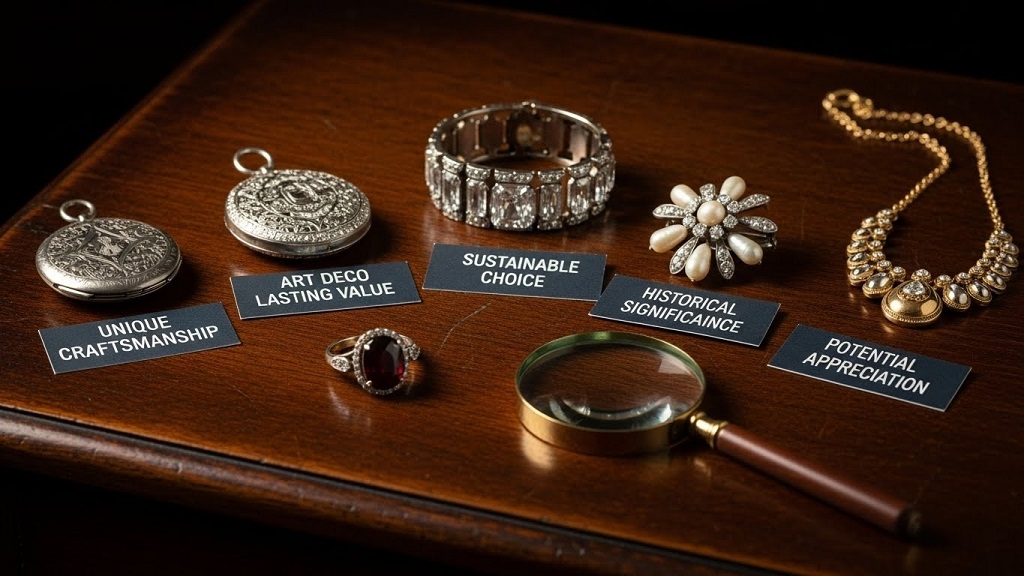
The first reason to invest in antique jewellery lies in its intrinsic and historical value. Unlike contemporary pieces, antique jewellery carries age-old craftsmanship, often handmade by master artisans who used techniques lost to time. Every piece tells a story — from Victorian diamond brooches to Art Deco bracelets, their uniqueness makes them irreplaceable in today’s market.
1.1 The Rarity Factor Increases Value
Rarity boosts desirability and value. Antique jewellery, particularly items over 100 years old, often exists in limited quantities. This scarcity naturally drives appreciation over time. Unlike mass-produced modern designs, antique pieces are one-of-a-kind, meaning no two are ever completely alike.
1.2 Materials and Craftsmanship Matter
Antique jewellery is typically made from high-quality metals such as platinum, 18-karat gold, and natural gemstones that are rarely used today. These materials, combined with timeless designs and exquisite detailing, hold their value exceptionally well even in fluctuating markets.
1.3 Investments That Appreciate Over Time
While traditional investments like stocks may fluctuate, antique jewellery retains and even grows in value due to its rarity, demand, and cultural significance. Properly maintained, certain antique pieces can appreciate by up to 20–50% every decade, depending on trends and market demand.
2. How Does Antique Jewellery Diversify Your Portfolio?
Adding antique jewellery investment to your portfolio is a strategic move. It acts as a hedge against inflation, offers tangible ownership, and serves as a stable asset during market volatility.
2.1 Tangible Assets in an Intangible World
Unlike digital or paper-based assets, antique jewellery gives you a real, physical investment you can hold, wear, or pass down. This tangible nature provides both emotional satisfaction and financial confidence, especially when economic uncertainties rise.
2.2 Low Correlation with Traditional Markets
Antique jewellery prices don’t follow stock or crypto trends. They rely more on collector demand, rarity, and historical worth — meaning they maintain consistency when other markets dip. This makes jewellery a valuable hedge against inflation or economic crises.
2.3 Global Demand and Market Growth
The antique jewellery market continues to grow globally, with established collectors in Europe, Asia, and North America. Auction houses like Sotheby’s and Christie’s have reported record-breaking sales for vintage jewellery, highlighting the enduring appetite for these historic treasures.
3. Why Is Antique Jewellery Environmentally and Ethically Smart?
One of the lesser-known reasons why you should invest in antique jewellery is environmental sustainability. The modern jewellery industry often relies on mining, which has significant environmental and ethical concerns. Antique pieces, however, require no new mining or manufacturing — they’re the ultimate form of recycling luxury.
3.1 Sustainable Luxury that Lasts
Buying antique jewellery means promoting sustainability. You’re preventing new mining activities and preserving craftsmanship traditions. Each piece is a tribute to slow creation and enduring quality, minimizing the ecological footprint compared to contemporary production.
3.2 Ethical Investment Choice
Antique jewellery avoids the ethical dilemmas associated with conflict diamonds or unethical labor. Investing in vintage pieces ensures that your purchase contributes positively — supporting preservation, not exploitation.
3.3 Society’s Shift Toward Conscious Buying
Today’s consumers prioritize ethical and sustainable investments. This shift has elevated the desirability of antique jewellery, driving higher prices and recognition for pre-owned treasures. It’s not just an investment in gold — it’s an investment in values.
4. How Does Antique Jewellery Offer Emotional and Cultural Value?
Beyond profitability, antique jewellery holds deep emotional and cultural significance. Every ring, necklace, or brooch carries stories from the era it came from — sometimes representing love, family legacy, or significant moments in history.
4.1 A Connection to History
Owning an antique piece lets you wear history. From Edwardian filigree to Georgian tiaras, each jewellery style reflects the art, fashion, and values of its time. That heritage adds meaning far beyond market value.
4.2 Emotional Returns Beyond Money
New jewellery may lose appeal over time, but antique pieces often gain sentimental worth. Some investors cherish them as family heirlooms, passing them down through generations as a form of living wealth.
4.3 A Lifestyle of Distinction
Antique jewellery embodies personality, sophistication, and taste. For collectors and investors, these attributes translate to social recognition, making ownership rewarding both financially and personally.
5. What Are the Long-Term Financial Benefits?
The fifth key reason for antique jewellery investment is its enduring financial promise. With limited supply, rising demand, and intrinsic value, antique jewellery can outperform the returns from volatile assets over time.
5.1 Stability and Long-Term Appreciation
Jewellery markets tend to appreciate predictably over long periods. Gold content ensures an inherent base value, while rarity and provenance contribute to additional growth potential. Investors often benefit from both tangible wealth storage and capital gains.
5.2 Inflation-Resistant Asset
Gold and precious stones inherently resist inflation. As global currencies devalue, tangible assets like jewellery maintain consistent worth, making them reliable stores of value.
5.3 Liquidity and Global Resale Value
Antique jewellery enjoys a robust resale market through auctions, online marketplaces, and private collectors. Its global appeal ensures liquidity, letting you convert assets back into cash with ease, often at a profit.
Bonus Tip: How to Start Investing in Antique Jewellery
- Research jewellery eras (Georgian, Victorian, Art Deco, Edwardian).
- Buy from reputable dealers or certified auctions.
- Verify authenticity and provenance before purchase.
- Preserve condition with professional storage and maintenance.
- Track market pricing trends through auction reports.
Conclusion: Time to Add Antique Jewellery to Your Portfolio
Now you understand why investing in antique jewellery is more than a style statement — it’s a strategic, ethical, and profitable decision. From its appreciation potential to environmental benefits, every reason points to strong returns and timeless satisfaction. Whether you’re diversifying investments, preserving history, or building family wealth, antique jewellery offers it all.
Call to Action: Ready to explore antique jewellery investment? Start by researching trusted dealers, visiting certified auctions, or consulting a jewellery specialist. The earlier you begin, the greater your opportunity to secure rare pieces that appreciate in both sentimental and financial value.
Frequently Asked Questions (FAQs)
1. Is antique jewellery a good investment?
Yes, antique jewellery is considered a smart investment because it combines rarity, craftsmanship, and historical value. Properly maintained pieces tend to appreciate over time.
2. What defines antique jewellery?
Antique jewellery typically refers to pieces over 100 years old, often from the Georgian, Victorian, Edwardian, or Art Deco periods. Their unique style and materials make them highly collectible.
3. How do I verify the authenticity of antique jewellery?
Always buy from trusted certified dealers or auction houses. Look for hallmark stamps, documentation, or professional appraisals verifying origin and age.
4. Can antique jewellery lose value?
While rare, value drops can occur if pieces are damaged, inauthentic, or not in demand. Proper care and authentication protect your investment’s worth.
5. Where can I buy genuine antique jewellery?
Reputable auction houses (like Christie’s or Sotheby’s), certified jewellery stores, and specialized antique fairs are reliable places to find authentic pieces.
6. Is antique jewellery better than modern jewellery for investment?
Yes, because antique jewellery often features superior craftsmanship, unique designs, and limited availability — giving it better long-term appreciation and cultural value.
7. How should I care for antique jewellery?
Store in a soft-lined box, keep pieces away from moisture, and have them professionally cleaned. Avoid harsh chemicals that can damage delicate settings.
Related Topics: What to Wear to a White Night Cruise Party Female
Related Topics: Butterfly Party Decorations: Transform Your Event with Whimsical Charm

Related Posts